Key Takeaways
- This story highlights the voices and experiences of military-affiliated students and veterans at the University of Arizona Global Campus (UAGC).
- Through their educational journeys, these students demonstrate the importance of having a strong support system while balancing military experience, education, and personal responsibilities.
- Mike Cavaggioni's story emphasizes the importance of flexibility for adult learners and choosing a degree program that aligns with their career goals.
- Clint Birchfield's story highlights how understanding and using veterans education benefits can open doors to new opportunities, while a supportive university community can make a meaningful difference.
- Daniel White's story demonstrates the impact of the Student Veterans Association (SVA) at UAGC, which helped him build confidence, find community, and pursue mentorship opportunities.
- Together, these stories show how UAGC provides an accessible, career-relevant educational experience supported by a community that understands the unique needs of veterans, military-affiliated students, and their families.
--
Veteran Voices: From Service to School to a Career-Defining Degree
What does earning a degree mean to those who have willingly sacrificed so much in service of their country? For veterans who attend the University of Arizona Global Campus (UAGC), a degree can mean many things.
Those who put service before school may believe a degree can open doors to careers they’ve dreamed about for years. To those who have successfully transitioned to civilian life, a degree may add a layer of knowledge and skills that can take their careers in new, exciting directions. And for some, the most meaningful part of school is connecting with fellow service members and veterans who have lived similar lives, faced similar challenges, and overcome similar odds.
The stories of our UAGC veteran community offer a firsthand look at the lessons learned in school. Graduates and current military students are often asked to balance college with work and home responsibilities, and their experiences show why having a support system matters, whether it’s faculty or family. Read on to hear about some of their personal experiences and what motivated them to pursue a degree.
Mike Cavaggioni: Building on a Lifetime of Experience
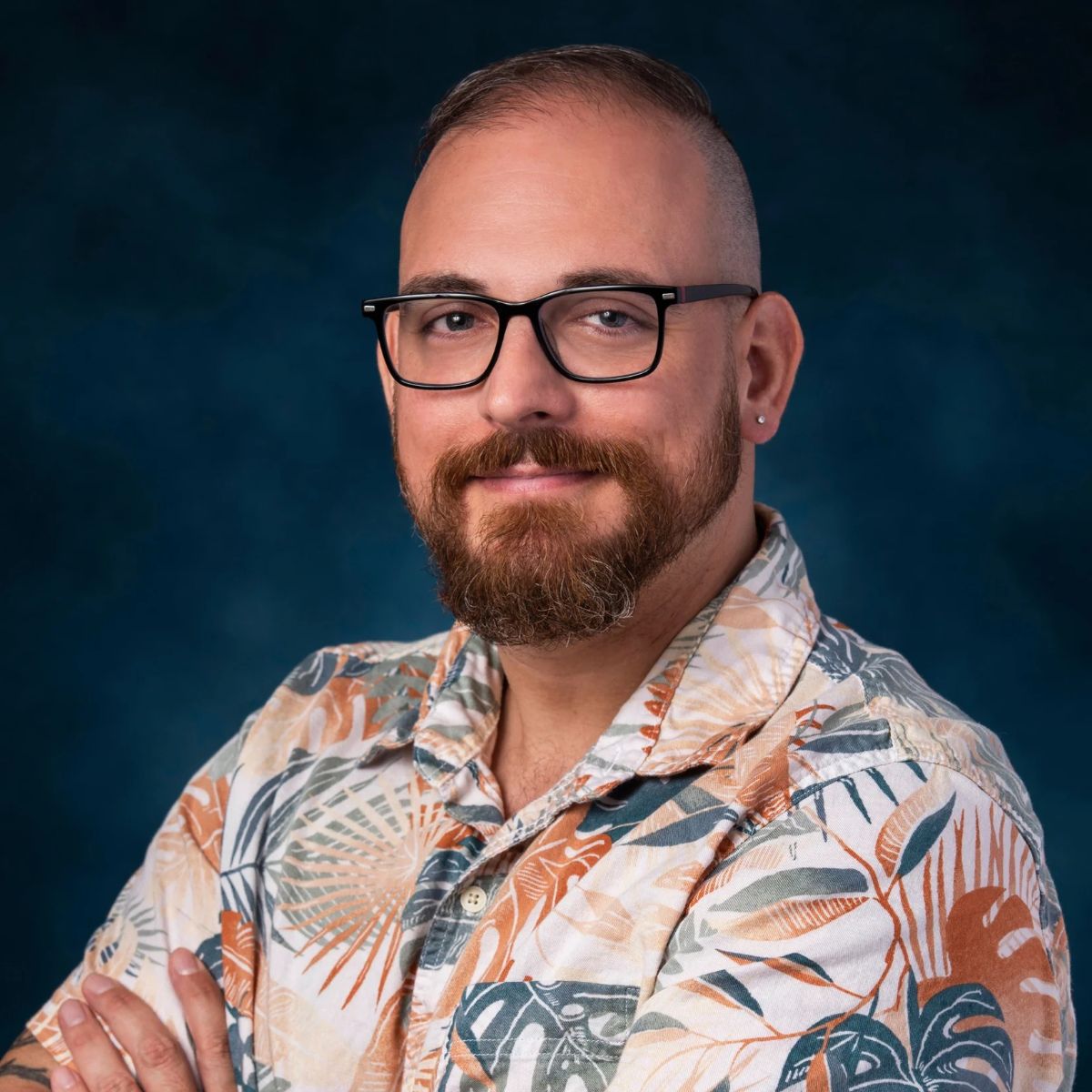
One of Mike Cavaggioni’s biggest concerns about pursuing a degree was whether he could connect the lessons from school to his career. That fear faded quickly for the U.S. Navy veteran who eventually enrolled at UAGC to pursue a Bachelor of Arts in Organizational Management.
He chose UAGC because of the flexibility and class structure.
“The online classroom is organized, and it helps me build a routine and stick to my goals,” he explained.
The program also matched his career aspirations.
“It aligned with what I did in the military and what I do now in my federal career with the Department of the Navy,” he says.
Once enrolled, it became clear to Mike how the tools he was gaining from his education could complement the leadership skills he already gained during his time in the military.
“One of the most valuable things I've learned from my Navy experience was that to be a good leader, you must be open in your communications with your subordinates and your peers,” he explains. “You don't want to be the person with a secret; you don't want to be the person that's holding on to something. You want to be able to share and be open and transparent with your communications.”
In 2024, Mike graduated from UAGC with a bachelor’s degree in organizational management, earning a 3.96 GPA. The lessons from his military service and his degree would eventually lead to greater opportunities in his career.
After 20 years in the Navy, Mike moved into civilian service, becoming an administrative director at Navy Information Operations Command Pacific. He was later promoted to executive director, and his education provided additional skills to help him lead a team. Concepts he learned in class, such as SCRUM methodologies, had practical applications in real life.
“I didn’t have an appreciation for higher-level education before I realized the tools it was giving me,” he says. “Then you start using them at work, and you realize, this actually helps me do a better job.”
Clint Birchfield: Confidence Builds with Every Success
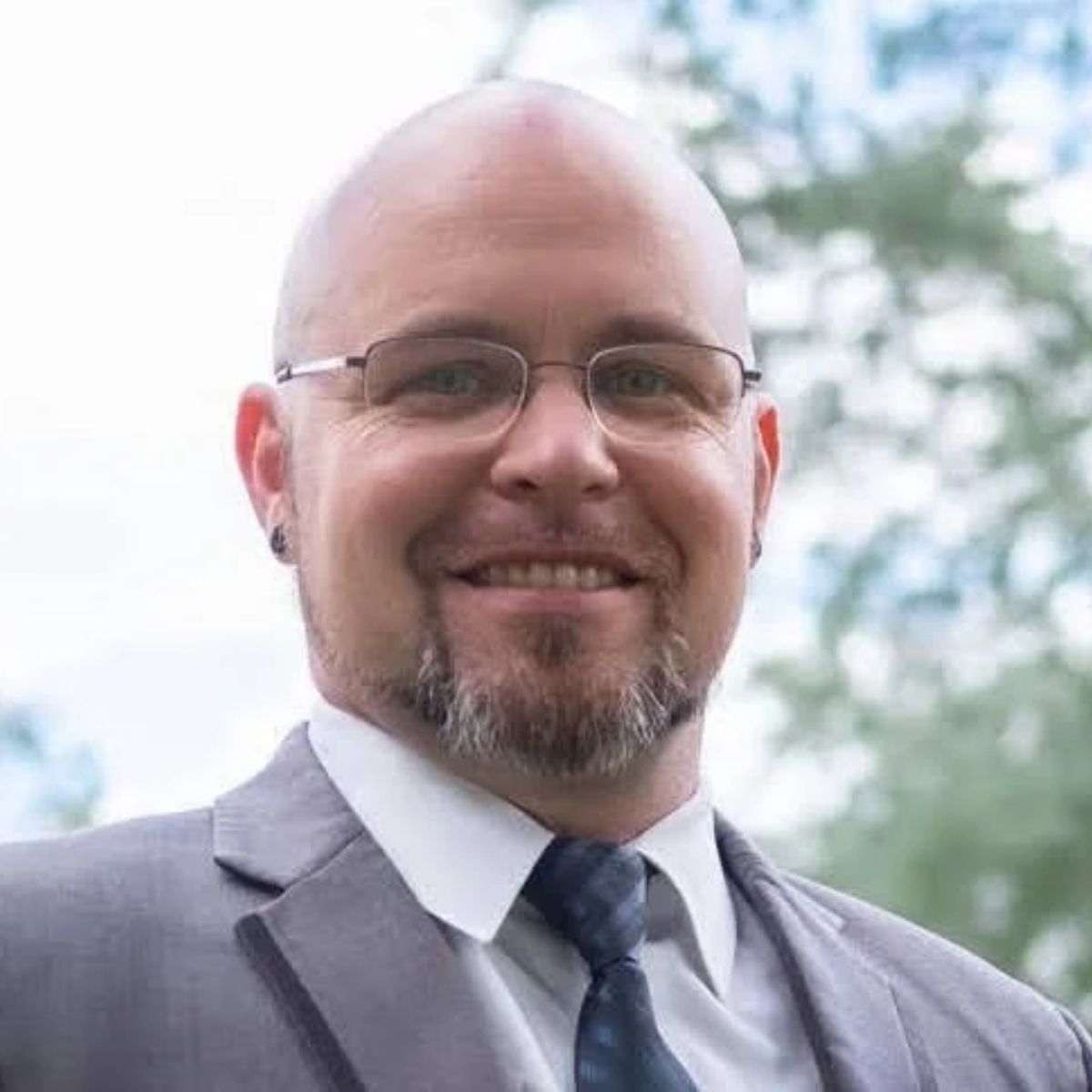
For Clint Birchfield, a veteran of the U.S. Navy and Army National Guard, going back to school was about more than earning a degree. It was also an opportunity to set an example for his son, who was having difficulties in school. What Clint didn't expect was how much the experience would change his own life, including the way he viewed his military service.
Clint enlisted in 2001 and served for five years before being honorably discharged in 2006. His transition out of the military wasn't easy. After struggling to access his veterans benefits and find support, he had largely put that part of his life behind him.
That began to change after he enrolled at UAGC to pursue a bachelor's degree in organizational management. He earned a place on the Dean's List and joined the Honors Program, building confidence in his academic abilities. He also became a CHAMPS peer mentor, a writer and editor for the Global Campus Voice, and the founding president of the UAGC Student Veterans of America (SVA) chapter.
"It really helped my confidence, and then it tied me into the organizations that I work with like SVA," Clint says.
His involvement with SVA was especially meaningful. After attending the organization's national conference through a scholarship he received while at UAGC, Clint learned about "silent veterans," those who rarely talk about their service or publicly identify as veterans. He realized he was one of them.
"That really opened my eyes up because I am a veteran, but I don't necessarily publicly identify as that, or at least I didn't, because of a lot of reasons," he recalls.
The experience encouraged Clint to reconnect with his military past and help other veterans who might be facing similar challenges. Through his work with the UAGC SVA chapter, he focused on connecting fellow veterans with resources, mentorship, and opportunities to get involved.
His education also made a difference professionally. After graduating, Clint combined his military experience with what he learned at UAGC to qualify for a position as a program analyst with the federal government. He later earned a promotion and a perfect performance evaluation.
"It was me, my military experience, and my bachelor's degree that made it to where I was eligible for the position I'm in now," he says. "The degree helped open the door, helped me get the job."
What started as a way to encourage his son became something much bigger for Clint. He gained confidence in the classroom, found a community of fellow veterans, and discovered new ways to put his experience to use, both in his career and in helping others.
Daniel White: Finding Community in College
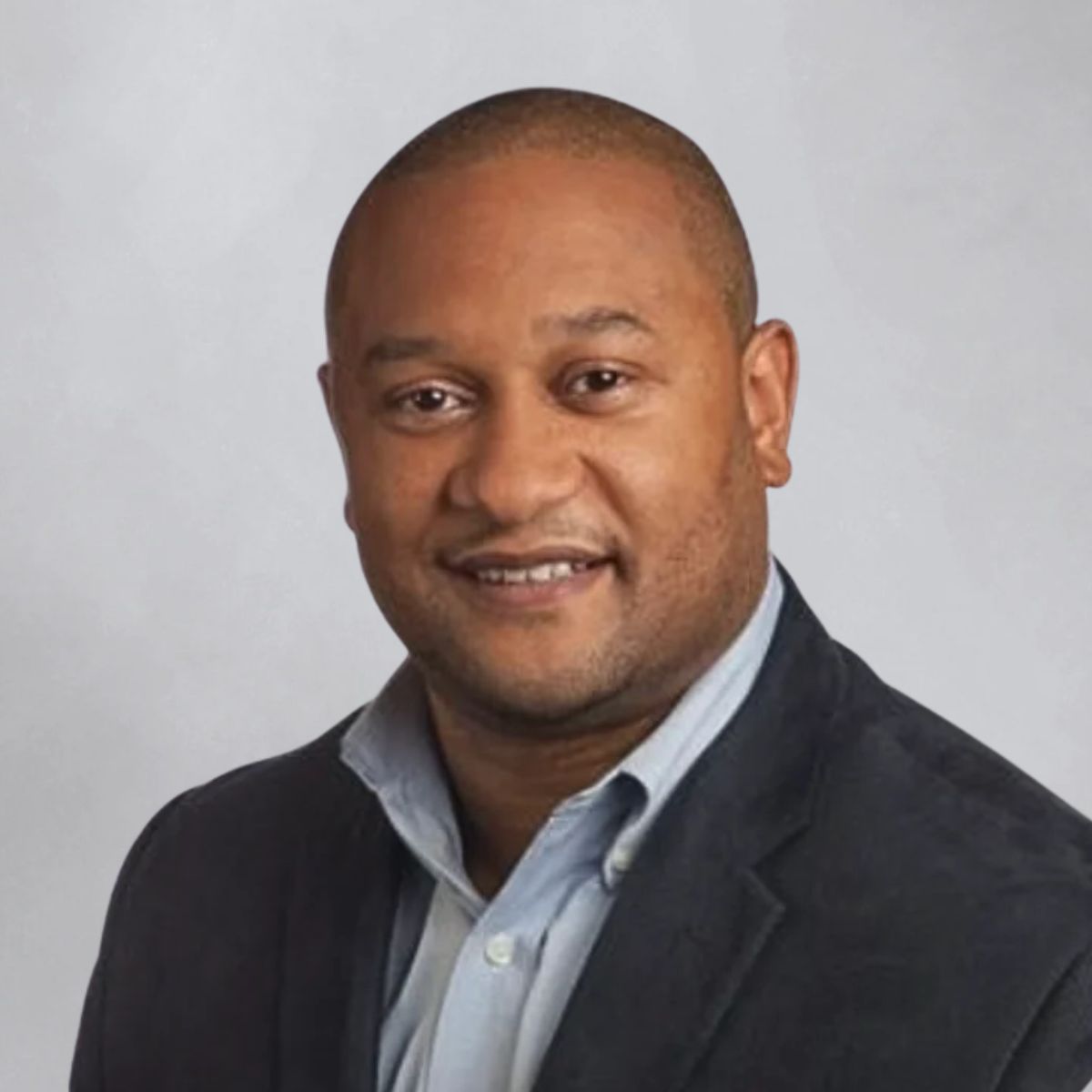
Daniel White is another student who has benefited from the UAGC SVA chapter.
Soon after the U.S. Marine Corps veteran and IT professional began working toward a Bachelor of Arts in Business Information Systems, Daniel started receiving emails about the Student Veterans of America chapter at UAGC.
Those meetings would become one of the most meaningful parts of his UAGC experience.
He became chapter president in 2025 and today remains committed to connecting other veterans to resources many don’t know about.
He also strives to help them navigate their benefits and academic paths so they can “reclaim their leadership potential.”
In fact, tapping into his own capacity to lead is partly what led him to UAGC after a hiatus to his education journey due to financial constraints.
Before his career in technology, Daniel served as a platoon sergeant in the United States Marine Corps. After the military,
“My journey hasn’t been a straight line,” he says. “It’s been a series of leadership lessons that took me from the track to the front lines in Iraq, and finally back to the classroom to finish the degree that life once put out of reach.”
Daniel earned his Bachelor of Arts in Business Information Systems in 2025 but returned to UAGC for his Master of Science in Technology Management after hitting a career speed bump. A graduate degree, he says, would help him compete for senior technology roles he said required a degree.
Now, he’s putting what he’s learned to use immediately at school and in his career.
“The beautiful thing about being a technology management major is that I'm taking a lot of the things I'm doing at work and bringing them into school,” he says. “School is helping work, and work is definitely helping school. It's a good synergy.”
One UAGC course had a particularly lasting impact.
As part of a general education capstone project, Daniel researched how veterans cope after war. During the process, he visited a Veterans of Foreign Wars post and met older veterans whose experiences reminded him of the importance of maintaining connections.
The project prompted him to reconnect with Marines he had served alongside years earlier.
The experience reinforced a lesson he now shares with others.
“You don't have to start building a new community and lose old friendships, especially with the veteran community,” he says. “Your brotherhood is your community.”
The impact of Daniel’s degree has been personal and professional.
“It has completely shifted my mindset from technical execution to strategic leadership,” he says. “Earning my degree has provided the keys to the rooms I've been trying to enter for years.”
The Next Step Beyond Military Service
The stories of UAGC veteran students and their spouses paint a picture of an education that’s both accessible and relevant. Throughout its history, the University has offered support for veterans, active-duty service members, and their families through a number of exclusive military benefits, academic resources, programs, and clubs. At the same time, the online classroom allows students to stay on track for graduation despite deployments, work, and other responsibilities.
What to Ask Yourself Before Enrolling at UAGC
For those considering the next stop while still serving or after the transition to civilian life, the conversation often begins with a few questions:
- What do I want to do with my degree?
- What has held me back in the past?
- What support do I need before enrolling in college?
- What benefits are available to me as a military student?
- What skills from my military experience already give me an advantage in school?
- How can earning a degree help prepare me for the next chapter of my career?
To explore your next steps and get answers to your questions about UAGC bachelor’s, master’s, and doctoral degree programs, connect with an advisor today.
--
Student success stories should not be interpreted as a promise or guarantee of career advancement or future earnings. The stories shared here represent the outcomes of individual students for illustrative purposes only.
The appearance of U.S. Department of War (DoW) visual information does not imply or constitute DoW endorsement. The use of military-affiliated images does not imply endorsement of the Department of Veterans Affairs (VA).