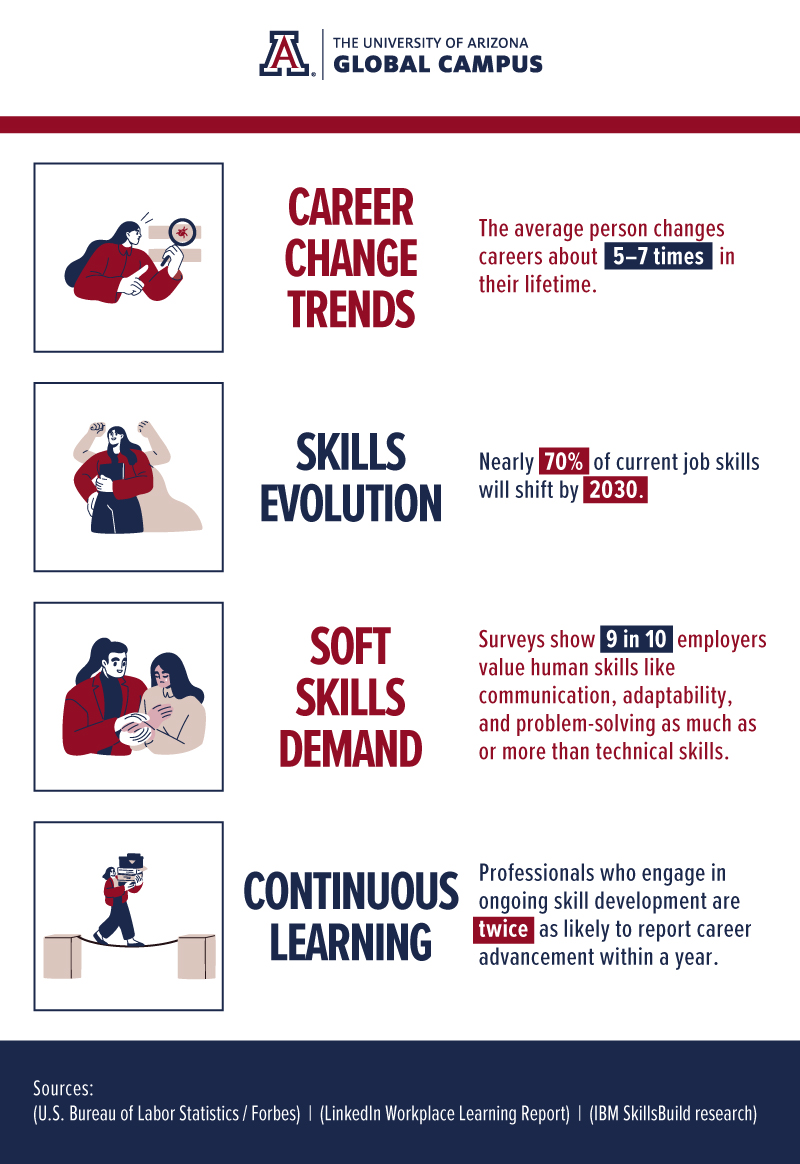
The workplace is changing at a pace we’ve never seen before. According to the World Economic Forum's Future of Jobs Report 2025, nearly 70% of skills used in most jobs today will shift by 2030, driven largely by artificial intelligence (AI), automation, and digital transformation. At the same time, organizations are placing a higher priority on skills-based hiring, looking beyond traditional degrees and titles to evaluate the competencies candidates bring to the table.
As a career coach, I often meet with students and alumni who are navigating this uncertainty. Some are looking to transition into new industries, while others want to advance in their current careers. In both cases, the question is the same: How do I stay competitive in a rapidly changing job market?
What Skills Are in Demand?
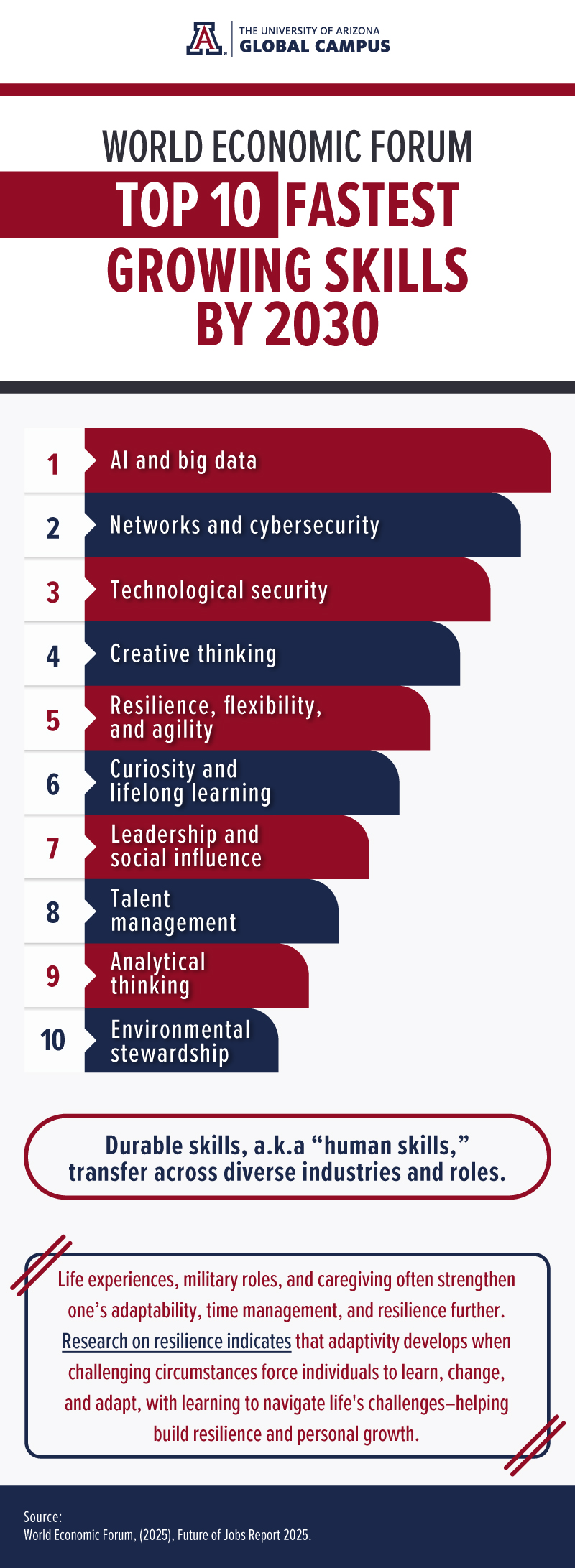
By 2030, employers will be looking for a balance of technical expertise and human-centered abilities. Some of the fastest growing core skills include AI and big data, technological literacy, and creative thinking.
Career coaches often emphasize that these durable skills — sometimes called “human skills”— are powerful because they transfer across industries and roles. For example, strong communication and problem-solving can help a health care professional transition into administration or an educator pivot into corporate training.
This is especially true for our nontraditional UAGC students, many of whom are balancing school with full-time jobs, military service, or caregiving responsibilities. These life experiences often strengthen adaptability, time management, and resilience — qualities employers actively seek. The very act of pursuing a degree while managing multiple responsibilities demonstrates determination, discipline, and problem-solving. When nontraditional students connect their unique experiences to the language of today’s job market, they stand out as strong, well-rounded candidates.
What is Upskilling and Why It Matters
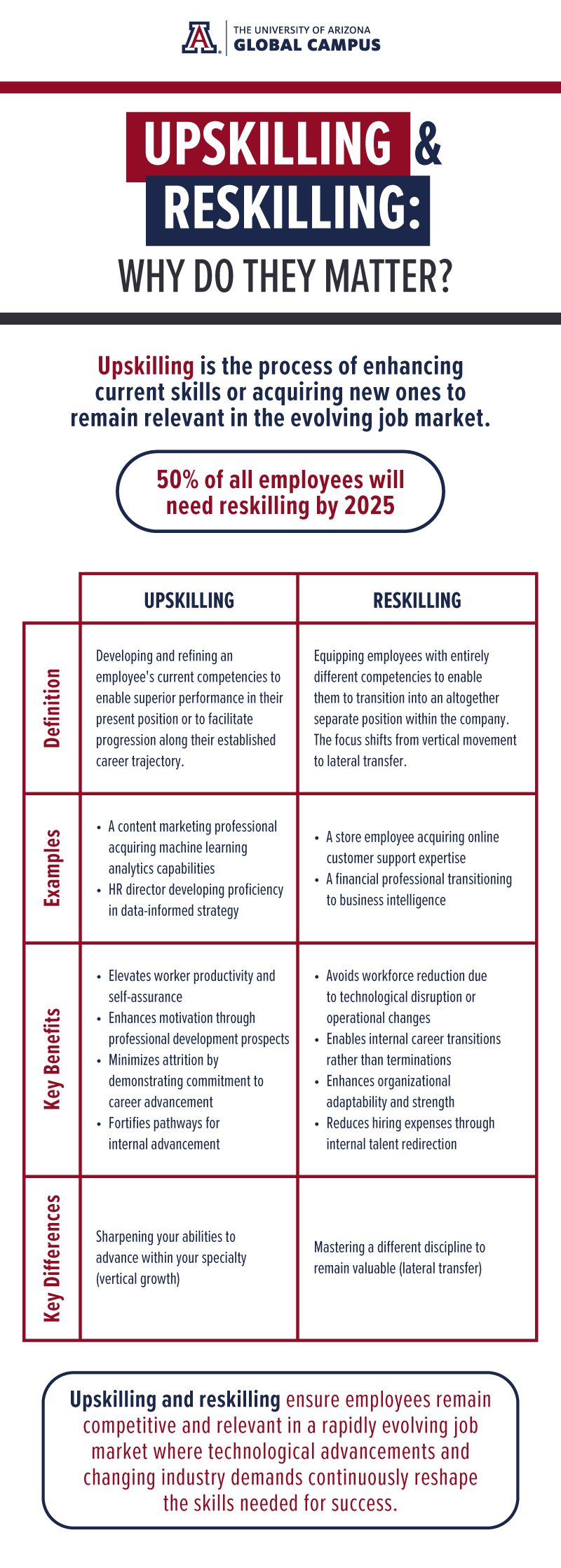
Upskilling is the process of enhancing current skills or acquiring new ones to remain relevant in the evolving job market. In today’s competitive, skills-based hiring environment, it signals to employers that candidates are equipped with the exact abilities they value most.
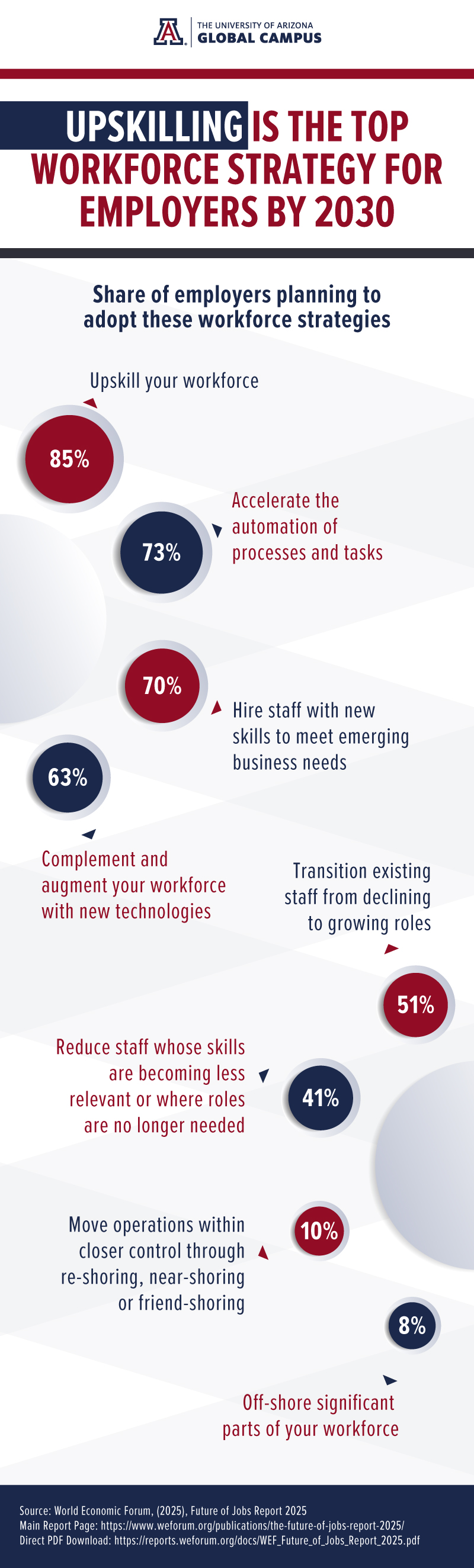
Research shows upskilling is the top workforce strategy for employers by 2030. Organizations are prioritizing training, reskilling, and continuous learning more than ever before. Employers know the job market is changing quickly, and the best way to stay competitive is to invest in people who are adaptable, flexible, and ready to grow.
For students, this is encouraging news — the skills they are building now, along with the additional skills they choose to develop, align directly with employer priorities. In coaching conversations, I help students identify which areas of upskilling, whether technical, leadership, or soft skills, can provide the biggest advantage for future careers.
Whether it’s learning a new technology, gaining project management expertise, or developing leadership abilities, upskilling demonstrates readiness for targeted roles. And it’s not just technical expertise — soft skills like communication, adaptability, and problem-solving are often valued as much as formal qualifications. The key is identifying the skills your target roles require and taking intentional steps to strengthen them through online courses, certifications, workshops, or hands-on projects.
Upskill Strategically
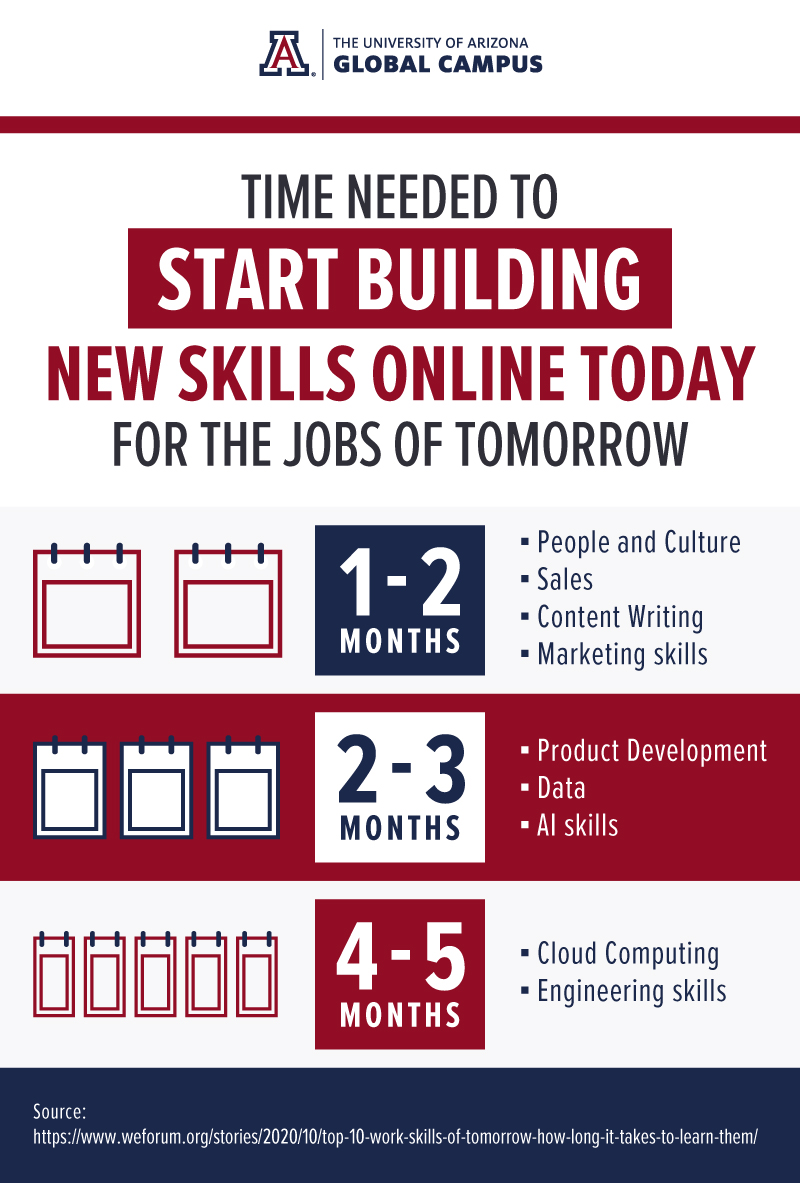
Upskilling can take many forms, including micro-credentials, certifications, and online learning programs. These provide flexible ways to build new skills without committing to a full degree. Platforms such as Coursera, LinkedIn Learning, IBM SkillsBuild, Google Career Certificates, and Alison.com offer a wide range of courses—many free or low-cost—covering areas like data analysis, project management, digital marketing, and technology.
Alison.com, for example, provides globally recognized certifications and diplomas that learners can add directly to their resumes or LinkedIn profiles.
Programs like micro internships from Forage give hands-on experience in real-world projects, allowing learners to apply new skills immediately in practical settings. These opportunities are especially valuable because they provide evidence of capability, helping students and professionals demonstrate skills even without formal work experience in that field.
Demonstrating Skills Through Experience and Credentials
As noted earlier, durable, or “human,” skills transfer across industries and roles. Many students also balance school alongside full-time jobs, military service, or caregiving. These experiences strengthen resilience, time management, and flexibility—qualities employers highly value. Projects, volunteer work, and internships provide proof that skills are real, not just theoretical, and highlight initiative beyond the classroom. Always emphasize outcomes — what you created, improved, or solved. Measurable results strengthen resumes and build confidence in interviews.
Certificates and credentials add credibility by signaling a commitment to professional growth. When paired with transferable skills, they show employers you can apply knowledge to solve real business problems. Many professionals worry they don’t have “enough experience” for a role, but demonstrating skills through projects, volunteer work, or certifications can offset traditional experience requirements. Employers increasingly value nontraditional pathways when candidates show readiness.
Combining formal education, practical experience, and upskilling creates a career story that sets candidates apart in today’s competitive job market, highlighting initiative, adaptability, and the ability to deliver results from day one.
Leverage Credentials for Career Growth
Certifications and micro-credentials are powerful tools for career development. They provide tangible proof of skills on resumes, LinkedIn profiles, and other application materials, bridging gaps for individuals making career pivots and showing employers they are serious, adaptable, and proactive.
Strategically selecting upskilling opportunities aligned with career goals enables students and professionals to:
- Position themselves competitively in the job market
- Qualify for new roles and promotions
- Accelerate their career trajectory in skills-based industries
Embrace Lifelong Learning
Upskilling is part of lifelong learning — the ongoing development of new skills and knowledge throughout a career. Continuously updating abilities through certifications, online courses, corporate training, or modular learning pathways ensures competitiveness and adaptability in a rapidly evolving job market.
Stackable credentials and micro-credentials allow individuals to gradually build expertise, opening doors to advanced roles, leadership positions, or career pivots. Corporate training programs provide structured, on-the-job skill development. Lifelong learning nurtures critical thinking, problem-solving, and resilience—qualities highly valued by employers.
In today’s skills-based job market, employers prioritize competencies over titles or traditional credentials. Embracing upskilling and lifelong learning not only supports career growth but also contributes to a culture of continuous improvement, adaptability, and innovation in the workforce.
Next Steps: Explore Resources and Assess Your Skills
To start building your career, explore these valuable resources:
- What is Upskilling & Microcredentials One-Pager – Learn about different upskilling options, micro-credentials, and how they can strengthen your career readiness.
- CareerOneStop Skills Assessment tool - Identify your top skills, determine keywords for your resume, and more.
You can always reach out to Career Services at careerservices@uagc.edu and schedule a coaching appointment to learn how to apply these strategies to your personal career goals.
How UAGC is Preparing Future Professionals
Through industry-aligned programs, flexible degree pathways, and professional development initiatives, UAGC equips students and alumni with the tools needed for workforce success. Career Services builds on this foundation with resume optimization, mock interviews, job search strategies, and networking support.
In coaching sessions, I often walk students through how to highlight coursework, capstone projects, and certifications as evidence of skills employers value. It’s about turning academic experiences into professional selling points and connecting classroom learning to real-world outcomes, showing employers that knowledge can be applied to solve actual business problems.
Beyond academics, UAGC encourages students to leverage internships, volunteer work, and projects to build practical experience. These opportunities allow students to practice transferable skills, achieve measurable results, and demonstrate initiative — strengthening both resumes and confidence for interviews. Combining formal education, experiential learning, and targeted upskilling prepares UAGC students and alumni to enter the workforce as capable, adaptable professionals ready to contribute from day one.
The future of work is not something to fear, it’s something to prepare for. As I remind students, focus on three things:
1. Stay a lifelong learner: The skills in demand today may shift tomorrow, so stay curious and adaptable.
2. Emphasize the human element: Empathy, leadership, and communication will never be replaced by AI.
3. Turn learning into action: Use your UAGC degree, professional development, and Career Services resources to showcase your skills with confidence.
Cultivating both technical and durable skills, while leveraging the support and resources at UAGC, students and alumni position themselves to adapt to and thrive in the workforce of tomorrow.
--
Written by Nicole Methven, MAED, a Career Advisor at the University of Arizona Global Campus.